More delights of Kakadu

Cooinda is just 54kms down the Kakadu highway (and 59kms from Jabiru), so it was a quick trip from Jabiru to the Gagudju or Cooinda Lodge. Cooinda is the hub for many tours throughout the Kakadu National Park, especially the Yellow Water Cruise, a tourism award winning journey through Kakadu’s wetlands. It was also a great base for our visit to Maguk. The Lodge has an excellent camp ground, swimming pools and restaurants, and plays host to all types of traveller.

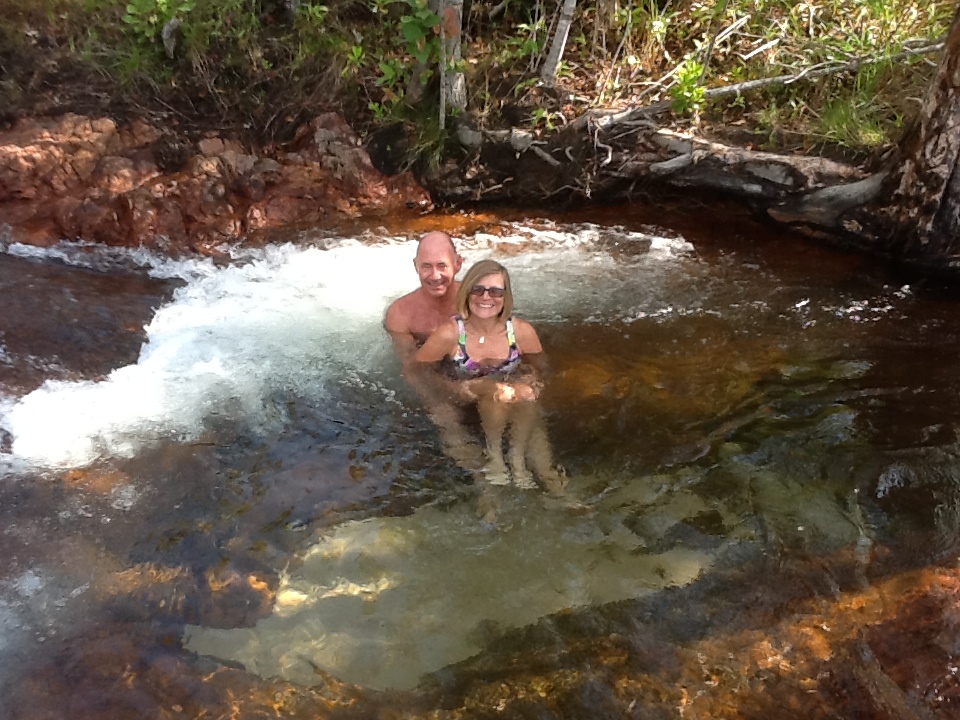
Once we had set ourselves up we embarked on our Maguk visit. Maguk is some 50kms south of Cooinda, and then 10kms on a lovely corrugated road (or maybe I should say dirt track) suitable only for 4 wheel drive. And you have to go slow or risk being beaten around somewhat. Following a 1km walk through monsoonal forest we came face to face with a beautiful and natural plunge pool at the bottom of an all year round waterfall. Steep gorge walls make this particularly picturesque. And at the top of the waterfall is the added delight of smaller crystal clear pools. Most importantly, there were very few people here which was a real bonus.

Enjoying a peaceful swim at beautiful Maguk

Enjoying a peaceful swim at beautiful Maguk

Like all ‘wet areas’ in Kakadu, there are the inevitable ‘beware of crocodiles’ signs. We certainly enjoyed several peaceful swims before making our way back to Cooinda.

The next day we had an early start for the Yellow Waters Breakfast Cruise.  We had heard very good reports about this particular cruise and we were not disappointed. Up at 5.30am, after a cuppa and a very light breakfast (we knew that breakfast wasn’t until 9am), we drove the short distance to the boat…..and along with close to 100 others, enjoyed a stunning 2 hours. The cruise starts in the Yellow Water Billabong, Kakdu’s most famous wetland, which is at the end of the Jim Jim Creek, a tributary of the South Alligator River, and then journeys out into the river itself. We enjoyed a sensational dawn, watching prolific birdlife set against the backdrop of the red sunrise,

Dawn at Yellow Water Billabong

Dawn at Yellow Water Billabong

and then as the cruise progressed, saw many of Kakadu’s 60 wetland bird species (Kakadu is home to more than 280 species of bird, which is over 1/3 of Australia’s bird species) including brolgas, pairs of jabiru, whistling ducks, sea eagles, magpie geese, herons, ibis, darters, wrens, pygmy geese, jacanas (lotus bird), bitterns, king fishers we have never seen before, various types of cormorants and lots of others!

South Alligator Wetlands

South Alligator Wetlands

And of course there were turtles and big fat salt water crocs just eyeing us up as we cruised on by. I can’t really describe how stunning the wetlands area is with its vibrant life.
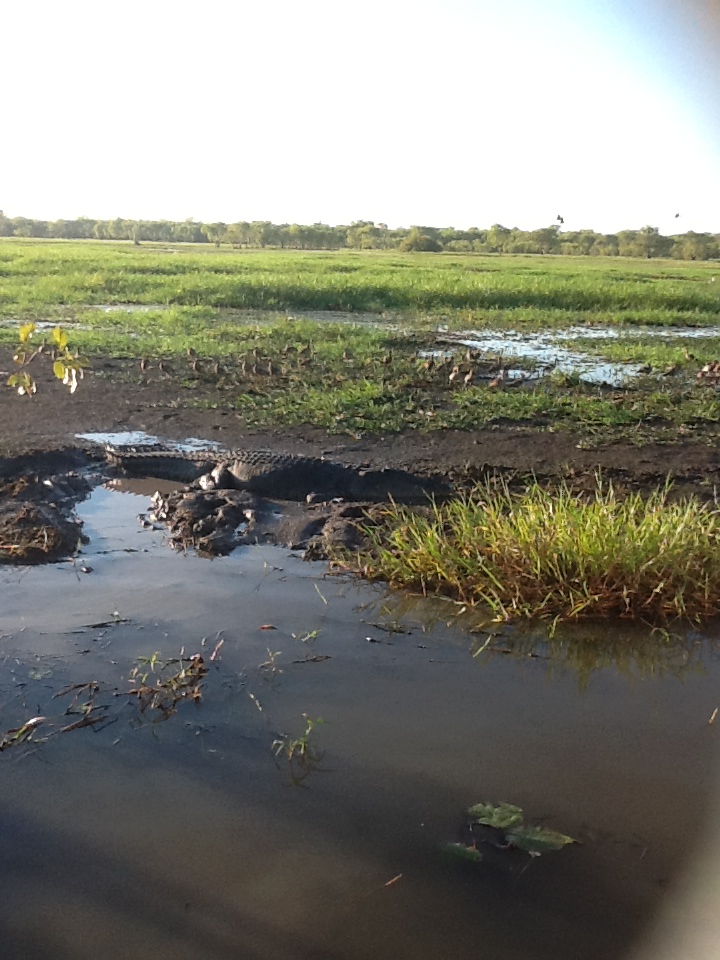
a 4m+ croc sunning itself less than 3m from the boat

a 4m+ croc sunning itself less than 3m from the boat

The colours, the sheer numbers of birds, and the absolute tranquillity. And all this against a backdrop of a highly knowledgeable and engaging guide who shared facts and stories about the local aborigines throughout the tour. This one is a must to anyone going to Kakadu. We didn’t want it to end! But end it did, and following a hasty breakfast we packed up and headed south, back down to Katherine.

We decided to have a few days of relaxation, and so have been here for 3 days, parked in the unpowered acreage of the Big4 at Katherine. They have a very large area where guests can choose where they want to park. So, we have found a spot where our closest neighbour is some 200m away. Other than bike riding, swimming, walking, chores and stocking up on essentials, this has been a very relaxing time. And of course we celebrated Steve’s birthday whilst we were here, and enjoyed a night out at the local onsite restaurant.

Tomorrow we start our journey west, with our next major stop at Lake Argyle and Kununurra, where we expect to enjoy the many activities and sights this region offers.
 

Out and about between Darwin and Jabiru

Last Wednesday evening, before we left Darwin, we joined friends at the casino for the State of Origin match, and of course I have to mention this because we are very happy that after an 8 year drought, NSW won the series…..and no, we haven’t yet changed allegiance to the mighty maroons. It was an excellent night, outdoors in 25 degrees, with another stunning sunset followed by excellent entertainment, just watching the fans, who all had a great night.

On Thursday we left Darwin around 8am and the beauty with no fixed plans is that you can change them as you go! Instead of going straight to Jabiru, we travelled only 100kms, stopping at a super little camp ground at Mary River Wilderness Resort and Caravan Park near the Mary River National Park. There are only about 26 caravan/motorhome sites, although they do let campers go to other areas in the green grassed park if needs be.  The hosts, (not the owners as we didn’t really meet them) Geoff and Deb are delightful people. The area is well set up and very close to the Mary River. We only intended to stay one night, but ended up being there for 3. We had a lovely time. Of course, seeing that there was a 4.30pm river cruise, we were in….and we were not disappointed. The river has the highest concentration of crocodiles in the world!

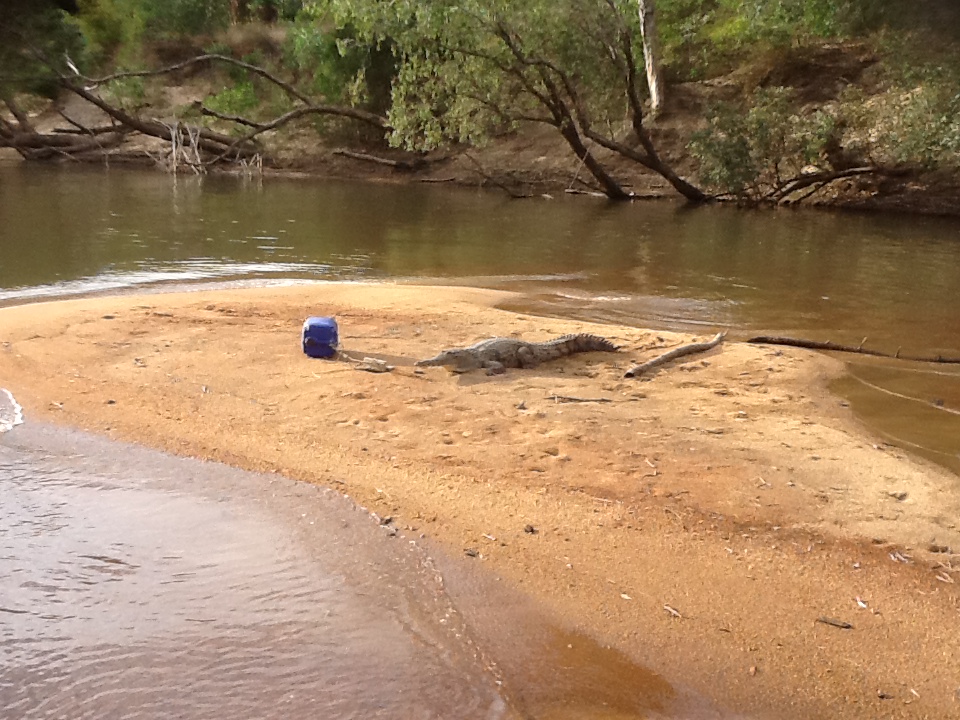
Saltie croc on sand island in Mary River

Saltie croc on sand island in Mary River

They say elsewhere there are 5 crocs per sqkm, and here there are 18 per sqkm, and I think we saw more than our share. Of course we expected to see fresh water crocs, and like most waterways in this region, there are salties as well, and these were big blighters, around 4m. We ventured down the river about 5kms croc spotting and snapping away madly, before then going 1km up the river from our entry point. Given its dry season we got to see lots of crocs and other wildlife. Further into the dry season the river will dry out more so that it becomes akin to a series of billabongs. In the wet season though, the water rages through the riverbed, up to 9m higher than we were boating. Under the road bridge there are huge tree trunks caught under the spans, demonstrating just how much water cascades through here in monsoon season.

Whilst at Mary River we went into the national park and visited Wildman Wilderness Lodge, an upmarket resort nestled away down an 8km dirt road, accessed by car, plane or chopper. This is a place to stay if you want some luxury and pampering whilst enjoying the treats of Kakadu and the region. Further into the park is Shady Camp,

Shady Camp Water Crossing

Shady Camp Water Crossing

with a river crossing where the salt water meets the fresh water, and both crocs and barramundi congregate at high tide. Its a great croc watching spot on the Mary River, with a special viewing platform if you want to sit, watch and wait quietly. We didn’t see any crocs, but did see lots of fish close to the crossing.

We made the most of our time here, and hired a boat for 3 hours and decided to try for an elusive barramundi. Alas, its still elusive and sadly swimming around with a lure in its mouth. My rod was bent into a u-shape with the pressure, the line took off and then with the pressure it snapped. A chap caught a 1.5m barramundi in the river just days before, perhaps this was the twin that got away. We did though enjoy ourselves, albeit we were very watchful the whole time with crocs on the banks in may spots along the river.

There were several walks on the Resort grounds, both good exercise and rewarding with wildlife and lots to see. The short 1.5km wallaby walk did indeed reward me with wallabies, and the 8km walk which we both enjoyed meanders along the riverside, inland alongside billabongs and through a bamboo forest.

On Sunday morning it was time to head to Jabiru where we are now. We have been in the Kakadu Resort caravan park. Now there have been many who have said Kakadu isn’t worth a visit. We can’t agree with them. Certainly Jabiru is a nothing town, thankfully though at least it has an IGA. The history here is that this is in fact a mining town, set up for and by the Ranger Mine in the 1970s. Ranger mine is a uranium mine that at one point supplied 12% of the world’s uranium (I’m not sure if that is good or bad!). Yesterday we enjoyed a fantastic scenic flight from Jabiru Airport with Kakadu Scenic flights. Its very hard to get any sense of perspective of the scale of the part, or to see any more than 100m either side of the road when driving around. This flight really does provide real perspective.

The East Alligator River from the plane

The East Alligator River from the plane

We flew over the huge Ranger Mine (the open cut mine is being filled in due to a pending change in legislation to underground mining of uranium); along the East Alligator River, one of the main rivers in this region; over the huge escarpment that runs down the length of the park and then up onto the plateau that forms Arnhem Land; over the Magela Wetlands, full of bird and fish life; and along the Minkinj Valley. The park is 20,000 sqm (half the size of Tasmania, and the whole of Switzerland). This flight covers just a corner but what an amazing corner, it is majestic and stunning and showed us just what many talk about but cannot be seen without a lot of time on the ground, or a flight like this one.

We also visited the Mamukala Wetlands yesterday. Now we had no expectations given our experience so much of the time with wildlife. Well, this time there was an abundance of birdlife. As well as the walk, we sat in the watch for half an hour and just watched – all different types of wetland birdlife.

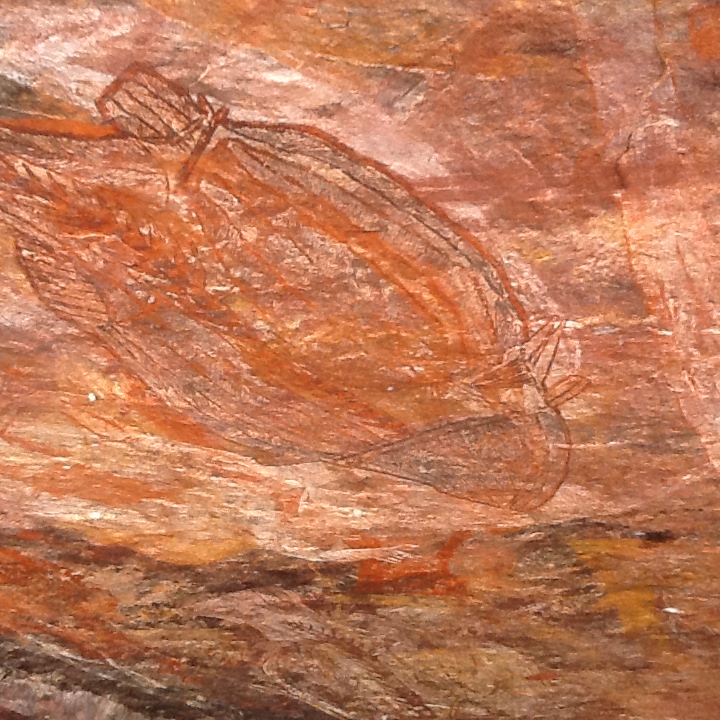
Today we visited Ubirr. What a magic, spiritual and stunning place this is. The drive to Ubirr features wetlands and huge sandstone escarpments and then once at Ubirr there is a small walk to some of Australia’s best rock art displayed in 3 main natural galleries, set amongst rock outcrops that sit on the edge of the Nadab floodplain.

Rock art

Rock art

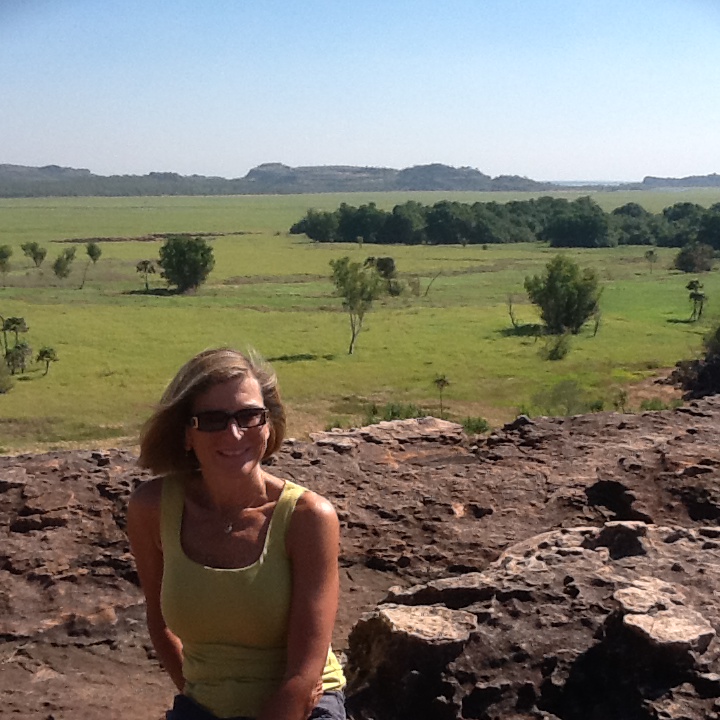
At the top of the Ubirr rock there is a panoramic view across the floodplains, the East Alligator River and the escarpments. We sat at top quietly taking it all in, appreciating just what makes this such a special place for the aboriginals who lived here for so long, and today’s custodians of this very special place. Whilst out in this area we also walked the Bardedjilidji sandstone walk through rock formations some 1500 million years old. This is a 2.5km walk through and around outcrops and escarpments and along the side of the East Alligator River. Today has been a thoroughly rewarding and enjoyable day.

From Ubirr Rock down onto the wetlands

From Ubirr Rock down onto the wetlands

Tomorrow we will move to Cooinda as a base, where we will visit Maguk and Yellow Water Billabong. Sadly, that elusive crocodile is still in Koolpin Gorge, so no tenting whilst in Kakadu.

Another week in Darwin

We have thoroughly enjoyed a second week in Darwin, taking in more of the local sights and attractions, and making the most of the local hospitality. Sailing has of course been at the front of the agenda, and we have now been out twice for late afternoon/sunset sailing in the harbour on friend Adam’s catamaran which he moors at Cullen Bay Marina, which is just 2 kilometres from Darwin’s CBD. The marina hosts some of the cities best restaurants, and it is fringed by some of Darwin’s most prestigious homes.

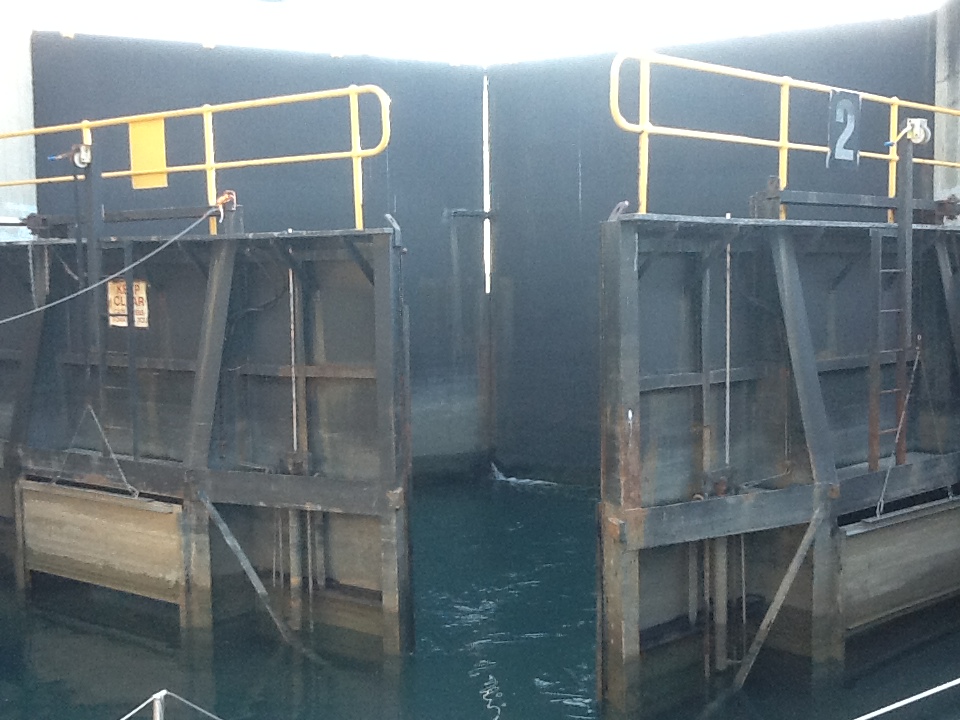
Cullen Bay Marina's lock system at work

Cullen Bay Marina’s lock system at work

But the most interesting feature for boaties, is that because of the significant tidal movement in the north, the marina is maintained at a constant level of 5 to 5.7 metres thanks to a huge 8 door lock system. Sailing in and out of the marina is an experience – and there is absolutely no sensation of water movement in or out, which can be thousands of tons depending on the tidal movement at the time.

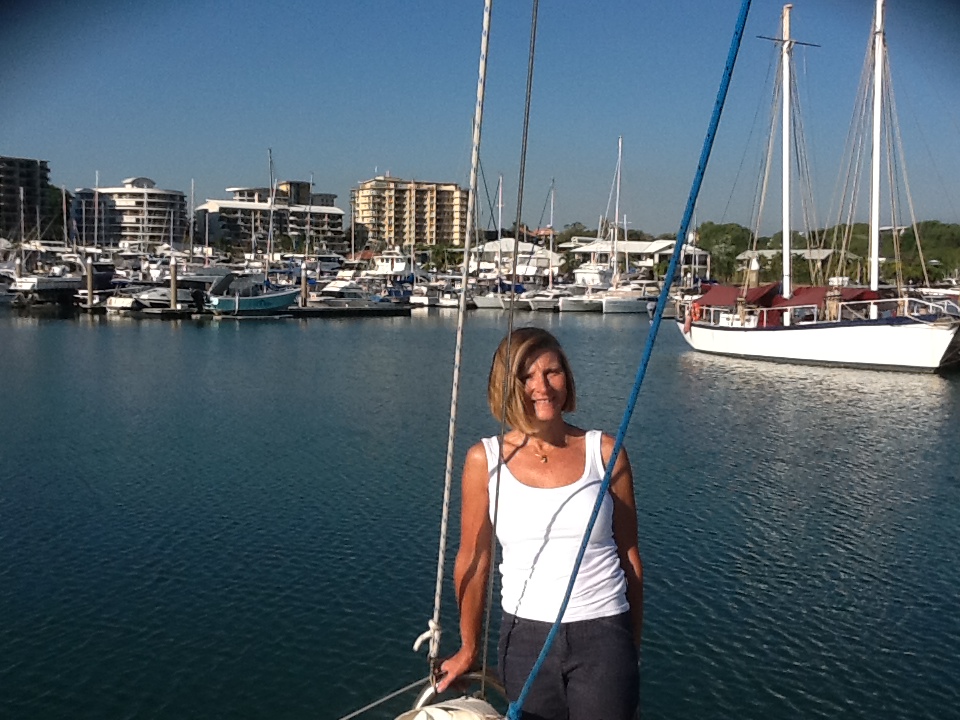
In the marina, looking across to homes and apartments

In the marina, looking across to homes and apartments

As you can imagine, it has been wonderful to back on the water, of course in stunning conditions, relaxing, then stirring to make the  occasional change in direction, tweaking a sail here and there, and meeting more of the locals who have also been out with us. On our first evening, we were treated to the soulful sound in the distance of piping – yes bagpipes at sunset – what a treat. We quietly sailed toward the piper, who we were surprised to see was a mature female, on the back of a very nice catamaran moored in one of the bays.

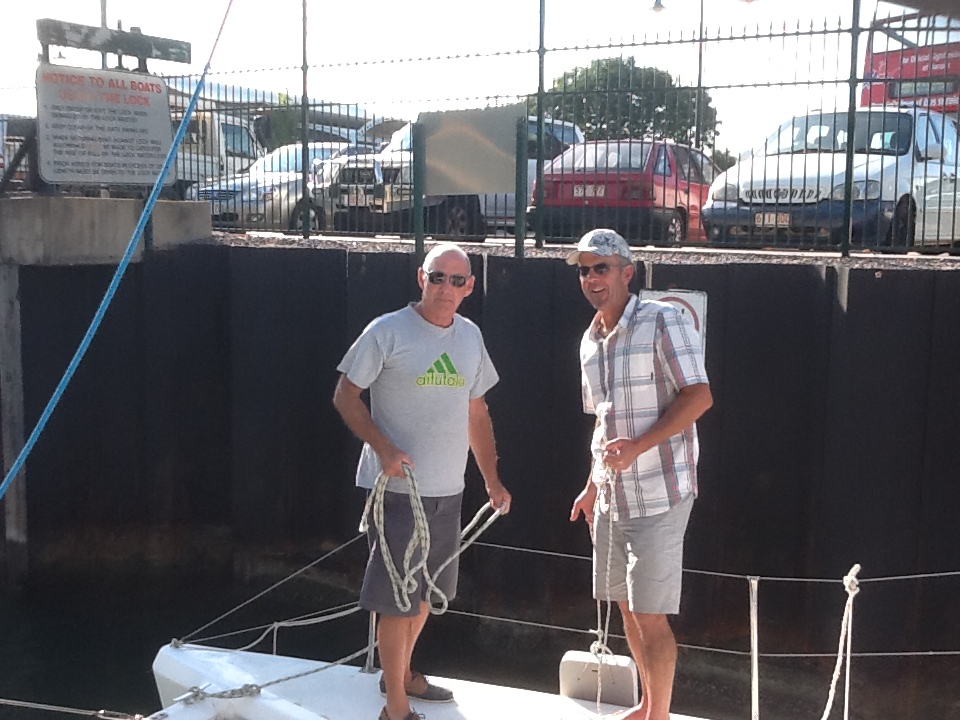
In the lock - Steve and Kerry about to tie the boat to the lock wall

In the lock – Steve and Kerry about to tie the boat to the lock wall

We had to have another treat for our second sail, and lady luck must have had us in her sights. I was off for a cycle, and only got as far as the back of the camp ground and there were our friends Therese and Kerry (who live in Tauranga, and who have been travelling a few weeks behind our schedule) who had just arrived in town, and who had cycled from their camp overs to ours to announce their arrival. So, they joined us for our evening sail. It was lovely to catch-up and learn more about their exploits over the last month or so.

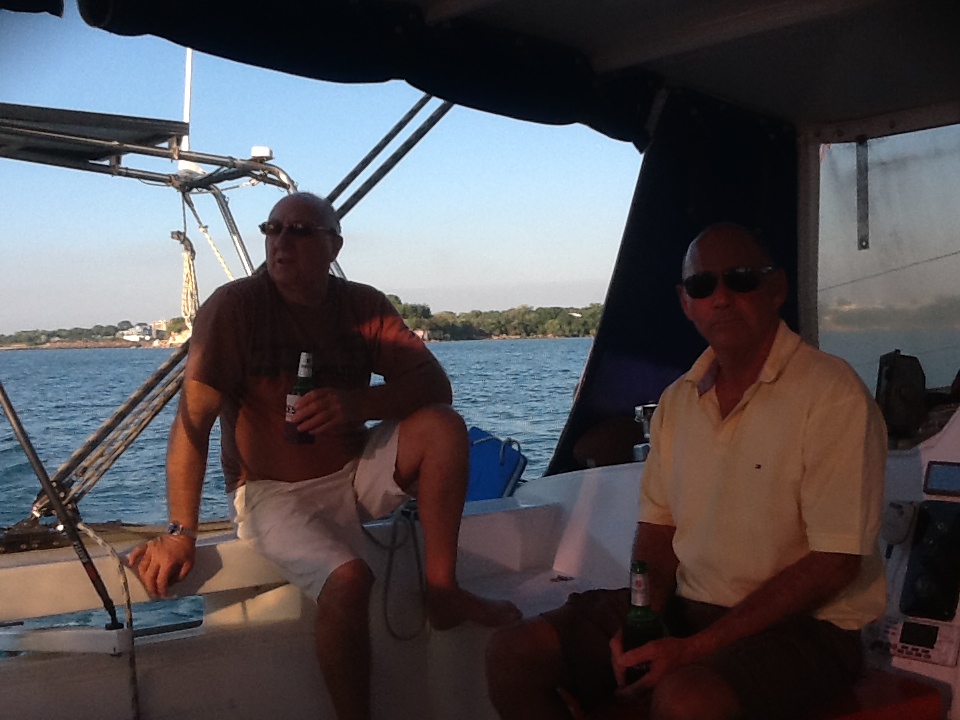
Steve and Adam, relaxing on the back of the boat - its a tough afternoon!

Steve and Adam, relaxing on the back of the boat – its a tough afternoon!

Getting a cultural fix when travelling can be challenging! We have been lucky, and spent an evening at live theatre at Brown’s Mart Theatre in the city, seeing a play called The Hoist (for the Aussies that read this, yes, this means the good old Hills Hoist, which was the main prop mid stage), which was the winner of the NT Literary Award 2013 – Best Script. Because its an intimate theatre, we also got to meet the playwright and chat with her for 10 or 15 minutes.

Several days ago we visited Berry Springs Nature Reserve, which is about 45kms south of where we are staying. There are many different springs and rivers in the NT, and what makes this so attractive is crystal clear spring water that is warm and flows into several levels of natural swimming pools that are surrounded by lush bush and lots of bird life. Not far from here is the Darwin River Dam, Darwin’s major water source, where the water flow can’t be regulated. It covers an area of 3,400 hectares and is just like an inland sea. What fascinated us is that there are signs all around announcing ‘Crocodile Safety Danger – Crocodiles live in the dam’. In other words its no different than the rivers and waterways all around the Territory.

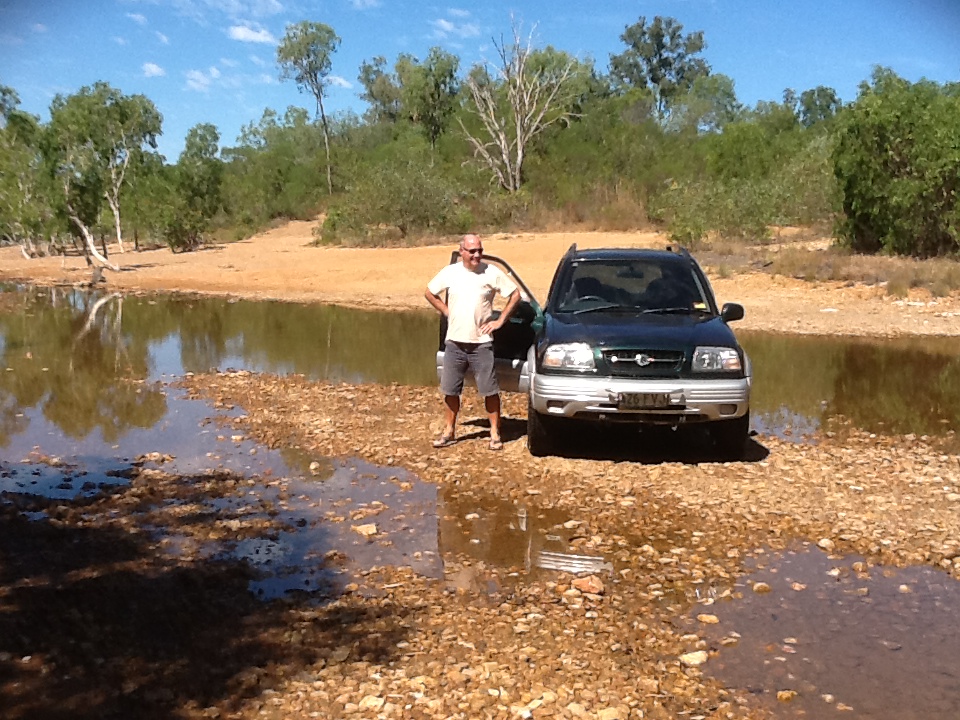
Whilst out exploring, we found a four wheel drive river crossing, so of course we had to have a play! Steve couldn’t resist and it is good practice for future ventures.

Finally, a river crossing!

Finally, a river crossing!

Yesterday and today we have been getting the Suzuki serviced because the air conditioning system is dying and that’s not good in this part of the country. We did have it back for the evening yesterday so that we could enjoy another meal at the Darwin Yacht Club with friends and hopefully it will be back to new later today. We plan to go into the Casino tonight, to watch the State of Origin game on their outdoor big screen. And then its pack up and hit the road tomorrow morning, heading for Jabiru and Kakadu. We have applied for a permit for the remote Koolpin Gorge and hope on Monday and Tuesday that we are able to four wheel drive in and camp for a couple of nights so that we can experience what many say is one of the best attractions in Kakadu. It will though depend on whether or not they manage to trap the crocodile that is there! National Parks will not open camping areas like this unless they are absolutely sure they are croc free. Because there were late rains this year, trapping is a little later than normal. Needless to say we are very supportive of their approach to safety with crocodiles. We’ll be out of contact for some of time whilst in the national parks so the next update will be when we have good coverage again.

Enjoying the delights of Darwin

We have now been in Darwin since last Wednesday, and over the last 6 days have come to very much enjoy what this northern Australia city has to offer. For those of you who have not visited Darwin, we are talking a city of some 135,000 residents and growing due to strong mining and tourism sectors. Darwin has been almost rebuilt twice over the last 70 years – as a result of bombing in WWII, and as a result of the Cyclone Tracy disaster in 1974. Thus the city is largely new, with significant housing and business growth over the last five years or so due largely to the resources boom.

Government House in Darwin, on the Esplanade

Government House in Darwin, on the Esplanade

Unlike other Australian cities, Darwin has just two seasons a year, the wet season and the dry season. Now, may to September is dry season. I think they forgot to also say ‘it can be hot as well!’ – when we arrived, the first few days were 35 degrees. Yesterday and today temps settled at 30 degrees and last night dropped to such an extent that other than a sheet for a few hours, a thin blanket was required. Hopefully this is the signal for some very pleasant weather for the rest of our stay.

We are staying a the Free Spirit Resort and Caravan Park about 15kms from the CBD. Its a very leafy and green caravan, with 3 pools, a restaurant and bar, and as I have discovered excellent access to cycle paths – in fact the town planners in Darwin have had tremendous foresight in that there are cycle tracks absolutely everywhere, which for my health and fitness is very much appreciated. After exploring on Thursday and discovering the whereabouts of the wave pool and swimming area, and familiarising ourselves with the layout of the city (for me it was a refresher, having been here over the years for business, but not for about 8 years), we enjoyed an evening at the famous and very colourful Mindil markets, at Mindil Beach. The markets offer a vast array of reasonably priced local and Asian foods, entertainment and general market stalls. The markets are a must for all visitors to Darwin.

On Friday evening, after a day at the beach which we had been craving – well the Darwin city version of the beach, down at the waterfront, on the grass, with manicured sand and filtered sea water to ensure there are no stingers

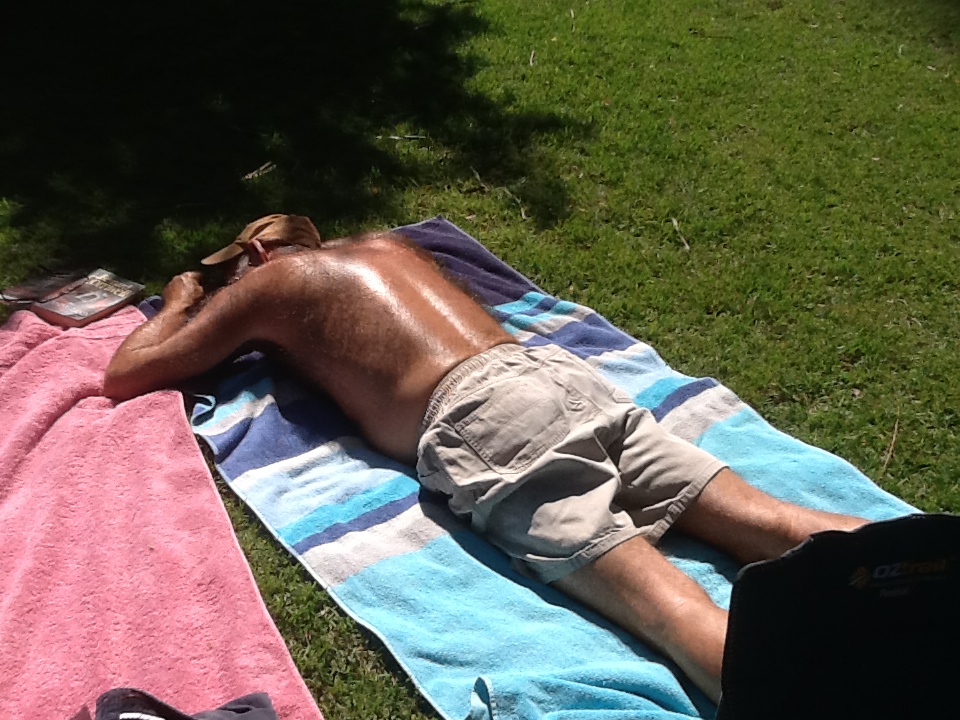
Relaxing at the inner city beach, waterfront Darwin

Relaxing at the inner city beach, waterfront Darwin

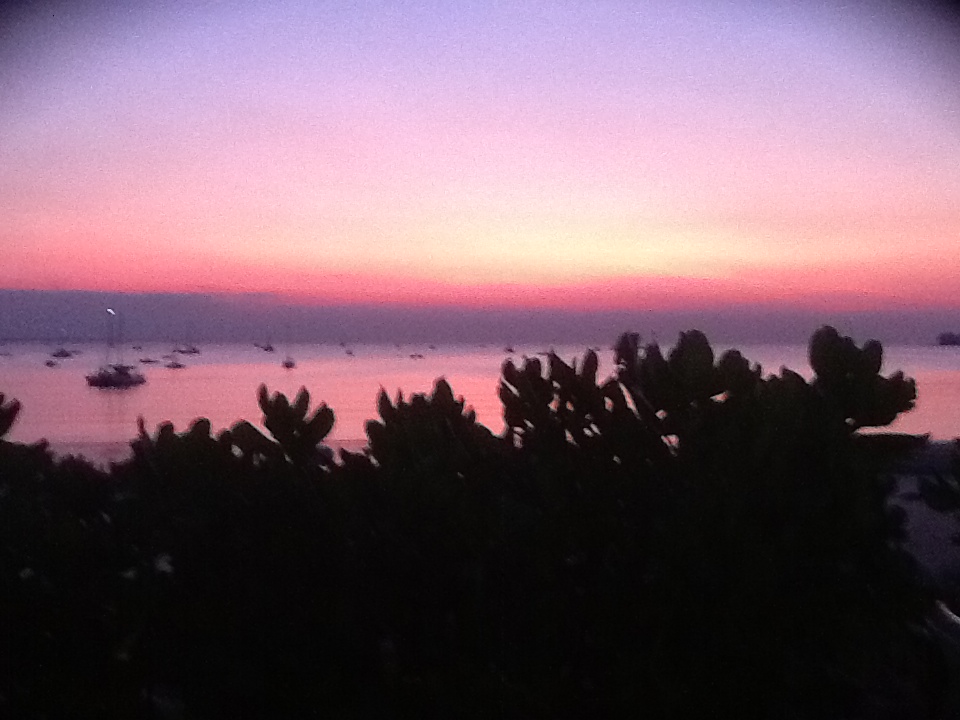
– we and the Berry’s revelled in a stunning evening at the Darwin Sailing club on the foreshore of Fannie Bay, where we watched the sun go down along with other happy and relaxed diners. Dearne and Rod returned to NZ later in the evening (morning really, on a 1.45am flight) for a week.

Sunset from the Darwin Sailing Club

Sunset from the Darwin Sailing Club

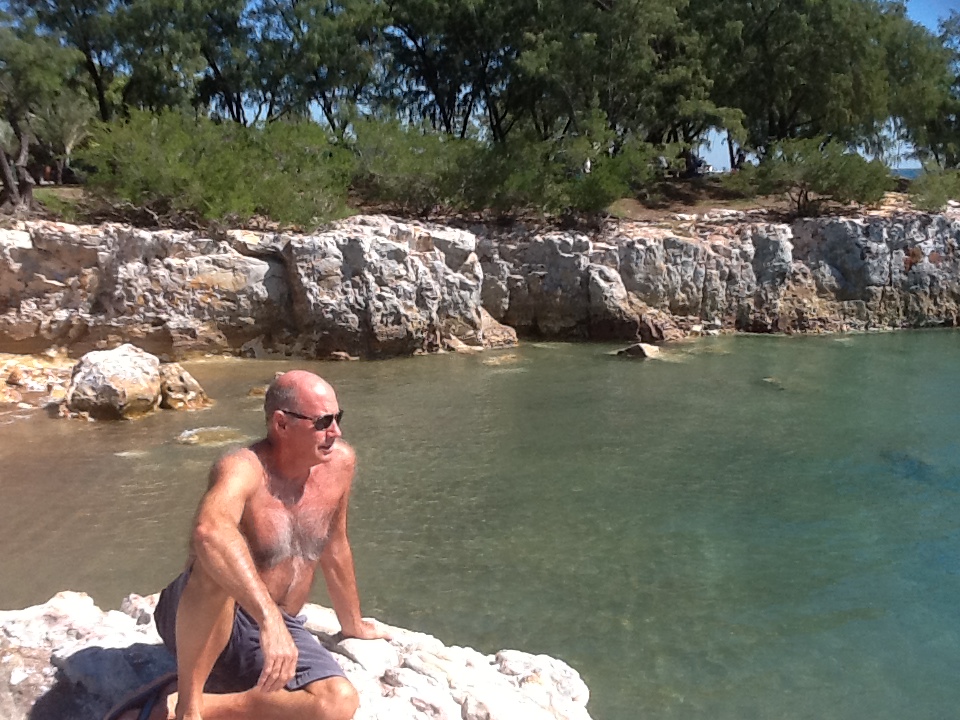
For the last 4 days we have continued exploring, in between swimming, walking, bike riding and generally enjoying being in the one place for a while. Darwin has some stunning coast line. Yesterday we spent time at East Point and Lake Alexander, wonderful areas for families and groups to play, ride, swim and picnic; and Nightcliff which is just like the Italian coast (Portofino and surrounds), with chalk like rocks and cliffs leading down to little bays with deep, clear water, where the locals (and visitors of course!) can enjoy a swim at this time of year.

Stunning Nightcliff beaches, with deep water and white chalk cliffs

Stunning Nightcliff beaches, with deep water and white chalk cliffs

Today we took ‘The Tent’ for her 30,000km service. We had thought we might spend the day at the Howard Springs Nature Park, which is about 12kms further out of Darwin than we are. It is a delightful spot, with excellent family play areas and a beautiful spring-fed waterhole where various fish flourish, including metre long barramundi. I had visions of sneaking down in the dead of night with a line and catching one of these, but naturally they are protected, having been here for many years, fed by the rangers and the public. The natural spring was in 1910 seen as the solution to Darwin’s unreliable water supply. Eventually in 1939 water was piped to Darwin. This continued until 1942 when the major dam for the area was finished. Today the spring makes this Nature Park a real family attraction.

Whilst we enjoyed the visit, we couldn’t see ourselves there for the day, so returned to the wave pool area until it was time to collect our ‘home’, after her service.

We’re looking forward to tomorrow afternoon, sailing in the harbour on friend Adam’s yacht. Adam used to work for me back in my Spherion days.

Waterfalls, natural rock swimming pools and nature – this is Litchfield National Park

On our way to Litchfield National Park we made a morning tea stop at Adelaide River, a small and historic town just south of the turn off to the national park, and of course it is on the Adelaide River. The town was first settled in 1872, with workers who arrived in the area to construct the overland telegraph line. And, during world war II, Adelaide River was a key rest area for personnel serving in Darwin, and following the bombing of Darwin, a military airfield was built in the town.

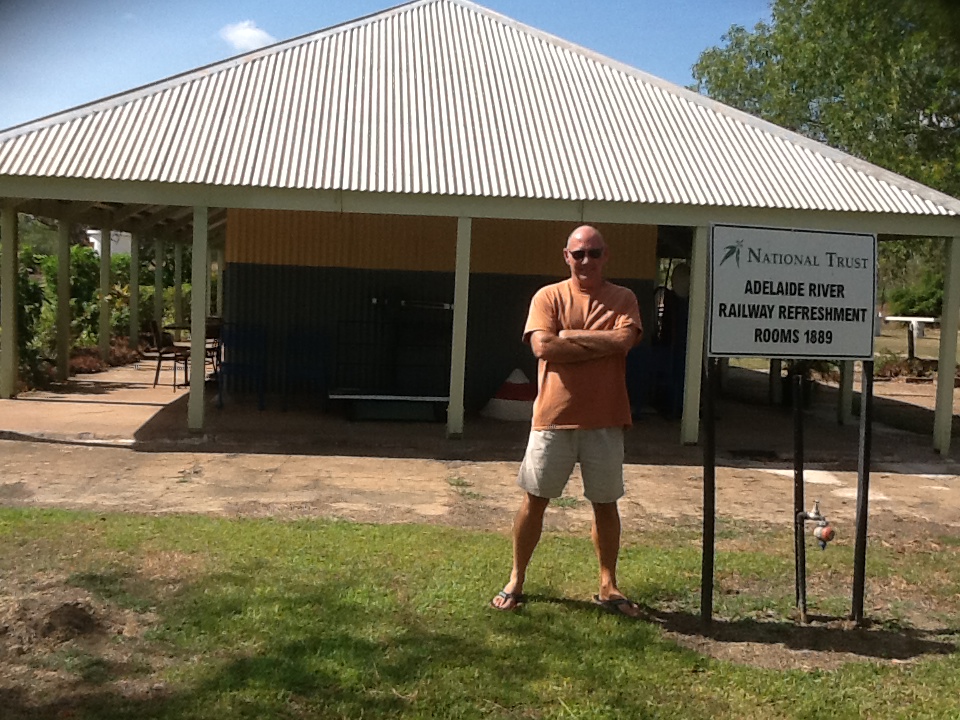
Adelaide River Railway Museum, and of course more blue sky!

Adelaide River Railway Museum, and of course more blue sky!

There is a delightful railway museum in town, managed by the National Trust, that includes the old railway station. We enjoyed a half hour tour around the different exhibits before continuing our journey north to the little town of Batchelor, our base for the next 3 days. Batchelor is just a small distance from Litchfield National Park and only 98kms south of Darwin.

The township of around 500 is today based around tourism, education and horticulture, having started out in the early 1900s as a farming community. Batchelor is very close to Rum Jungle, which was the site of early uranium mining in Australia which commenced in 1948 and ceased in 1971. When walking around the town, it is apparent that like many smaller towns, community is important, however there is still limited opportunity for advancement for youngsters unless they gravitate to major centres of employment.

On Sunday we spent the day in Litchfield National Park, which really is geared for tourism, with a number of caravan and camping grounds both close to and within the Park confines. We were ever hopeful that we would enjoy seeing an abundance of Australian wildlife, however, yes you guessed it, yet again ‘they’ were all hiding from us! But, our disappointment was more than made up for with the delightful water falls, water holes and nature walks. There are a number of attractions to visit, and we certainly enjoyed time at the key ones.

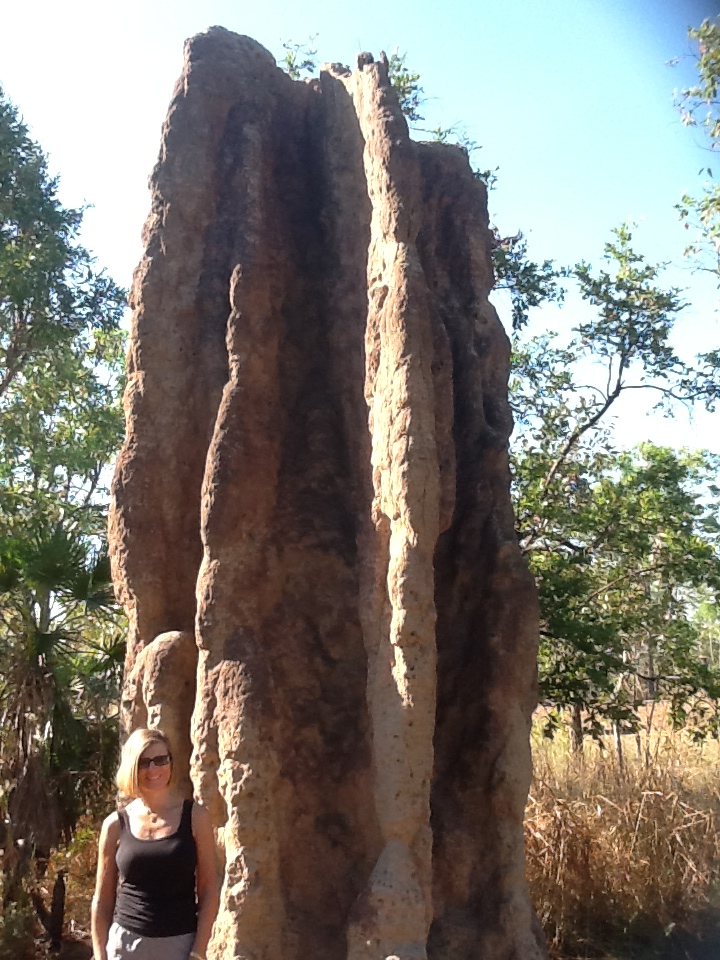
Cathedral Termite Mound,  about 5m high and over 50 years old, home to a colony of grass eating termites

Cathedral Termite Mound, about 5m high and over 50 years old, home to a colony of grass eating termites

We have developed a fascination with Northern Australia’s multitude of termite mounds, and the first attraction visited and of course photographed was the Magnetic Termite Mounds – these little ‘white ants’ build their massive termite nests on a north/south axis to make the best use of warmth and shade. You can see the significant size of these ones!

The rest of our day was spent visiting water falls and swimming holes, where we could take a dip and enjoy some reprieve from the warm temperatures. Because there are still areas that are closed to the public after summer flooding, we visited Buley Rockhole, Florence Falls, Tolmer Falls, the Cascades and the very stunning Wangi Falls. All of these are in easy walking distance through natural bush and easy walking trails.

Wangi Falls, where we spent some time swimming in the big pool!

Wangi Falls, where we spent some time swimming in the big pool!

Yesterday we packed a picnic lunch, took our books and swimmers and staked out our own swimming pool at Buley Rockhole, which is a series of natural swimming holes through which the river cascades.

Natural swimming hole at Buley Rockhole

Natural swimming hole at Buley Rockhole

Sitting under shady trees and taking regular dips was very relaxing. And yes, on the way back out of the park, 3 red kangaroos bounded up the hillside, so now we know there is wildlife to be found. I was beginning to think that the buffalo in fields just outside of the park was the only animal life we would see!

This morning we hit the road again, for the drive to Darwin. We will base ourselves here for a few weeks and are currently in a very pleasant caravan park about 15kms from the CBD. Needing a ‘sea fix’, this afternoon was spent on the Esplanade and waterfront in Darwin, and over the next few weeks we will certainly spend a lot of time on the coast. Sadly though, with salt water crocs, swimming is out, so man made pools will have to suffice.